Posted by The Platform | Posted in Universal Values | Posted on 10-03-2010
1
By Samihah Dharamsi
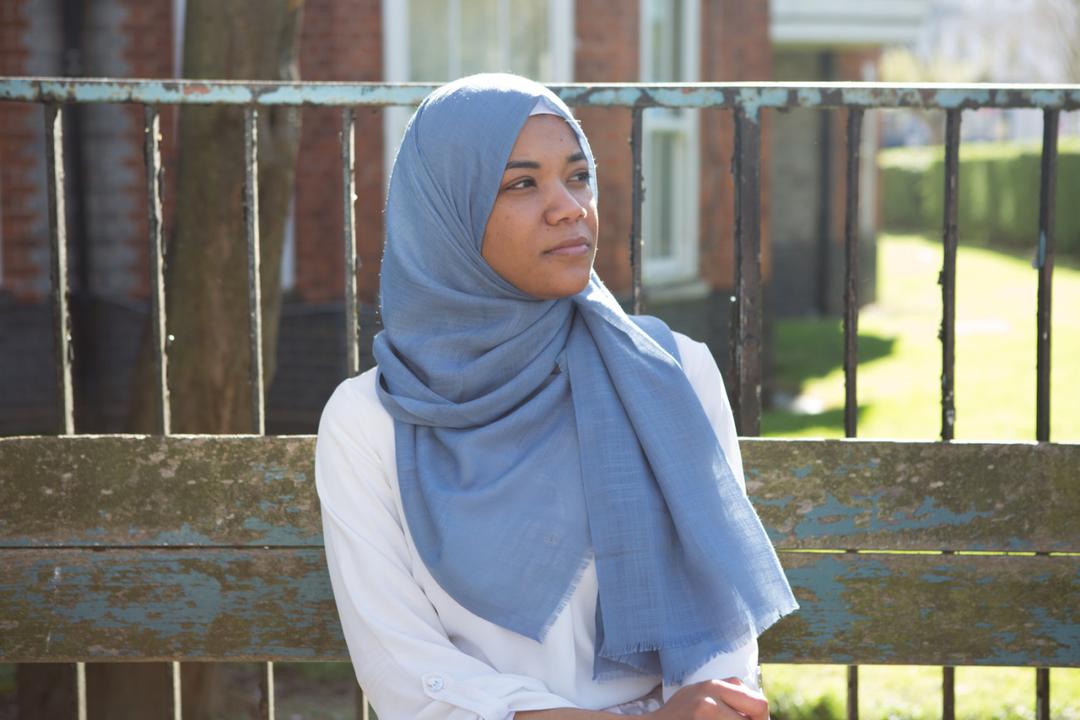
Addressing Disability in the Muslim Community: Now and in the Coming Decade
The 2001 Census revealed the group with the highest level of disability in the UK is in fact the Muslim Community, with almost a quarter of Muslim females (24 per cent) and one in five Muslim males (21 per cent) as having a self-declared disability. So why are we so reluctant to accept these situations and tackle them? 
Posted by The Platform | Posted in Platform Updates | Posted on 08-03-2010
0
Monday 8th March to Sunday 28th March 2010
Editorial
After weeks of contributions and debate, addressing a remarkable spectrum of issues through a vibrant range of genres, we have now come to the completion of the six themed and structured weeks of The Platform. And we would like to thank all of you who have taken part and made the discussions on the blog both energetic and passionate.
By Nabil Ahmed
I was fortunate enough not long ago to be invited to join a bunch of cool Muslim students out on camp who were socially and spiritually nourishing themselves off Snowdonia’s peaks and crisp air. The pleasant young gentlemen (I consider myself a ripe student-elder) could cook well, hike and even (when asked) give an excellent rendition of the Maori Haka. But take a look at the bigger picture and they represent an exciting future for Britain, presenting a trailer for the decade ahead. They are united, diverse religiously, culturally, socially and politically, they were able to discuss how universal concepts of justice actually are, and between them you could formulate more than a patchwork of social reform.
By H M Zaheer
Why should British Muslims bother with wider society and the political system?
In a post 9/11 world, it is fairly easy for British Muslims to feel more polarised and ostracised from wider society. Such a mindset is not surprising, especially with the heightened levels of stereotyping and shocking hate crimes that have been committed against Muslims. Does this consequently mean that it is correct for British Muslims to instantaneously react by being more insular and inward to the on-goings around them?
By Mohammed Amin
At first sight the question sounds trivial. Who would choose to be powerless? Many though have no choice but to remain politically powerless. Around the world, millions live under dictatorships where power is jealously guarded by the few. Any attempt to produce change can result in imprisonment or death.
In contrast, we live in one of the freest societies on Earth, where power is dispersed and readily available to those who seek it.
By Basmah Saqib
I’m out with my flag
strapped to my backpack
and I’m staring
again at the Houses that have given up caring
When is my voice gonna be heard?
When will my government learn that
We’re cursed?
Sitting on a moral debt
By Mousa Baraka
I was eighteen years old and had recently finished my A-Levels. The tragic events of 7/7 had just happened. I was angry. Why would these people do this to their fellow citizens? What sort of belief motivated them? It certainly wasn’t mine or any of the Muslims I knew. But it suddenly dawned on me; there was nobody I could tell. I was born and had lived my whole life in one of the most cosmopolitan cities in the world, and yet I didn’t have relationships with anyone that was not like me in some way. I had no non-Muslim friends.
By Malieha Malik
Can Muslims be accomodated into Britain- ten years and beyond?
Muslims are not the first religious and cultural minority to seek accommodation within the category ‘British’. There has always been cultural, linguistic, ethnic and religious diversity in Britain. The official public accommodation of this diversity within the definition of the nation has depended on different forces: the social and political power of the group that is seeking accommodation; the relationship between the domestic and the international context; as well as access to socio-economic wealth.
Posted by The Platform | Posted in Platform Updates | Posted on 01-03-2010
0
Monday 1 March to Sunday 7 March 2010
Editorial
The last decade will almost certainly be remembered for the Labour Party having won an unprecedented three general election victories. It will also sadly be remembered for the tragic events of 9/11 and 7/7, which changed the course of political debate and discourse around the world and the conflicts that followed in Iraq and Afghanistan. From Palestine to Georgia, the first decade of the 21st century was littered with international conflicts, while at home it was characterised by government policy towards combating the threat of extremism and how to encourage Muslims to be part of the political and civil dialogue.
Posted by The Platform | Posted in Culture | Posted on 28-02-2010
1
By Sadia Kidwai
A few weeks ago, I found myself wandering through the Omar Khayyam exhibition at the British Library. The exhibition celebrated the 150th anniversary of Edward Fitzgerald’s publication of ‘The Ruibaiyat of Omar Khayyam’ – it was a translation that would spark a cultural phenomenon, gaining popularity in the fashionable ranks of the British elite. These verses, written by a Persian polymath in the 12th century, became a poetic sensation in the Victorian arts scene. Admirers in both British and American intellectual circles established clubs and societies in Khayyam’s honour, and even today the ‘Rubaiyat’ has barely been out of print.